Qintellim Deburring Machines have become the preferred choice for factory deburring operations due to their high efficiency, precision, and safety. As core consumables, sand belts and multi-filament wheels directly impact the machine's processing results. By appropriately selecting the material and grit size of these consumables, factories can further enhance production efficiency, reduce manufacturing costs, and achieve high-quality deburring, chamfering, brushing, and polishing finishes.
In factories utilizing laser cutting, stamping, shearing, and machining processes, the grinding and finishing of sheet metal workpieces—such as carbon steel, stainless steel, copper, and aluminum—has long been a production bottleneck. Traditional manual grinding methods are not only inefficient and costly but also struggle to ensure consistency, with these drawbacks becoming particularly pronounced during high-volume production runs. The introduction of Qintellim deburring machines has fundamentally transformed this landscape, emerging as a powerful tool for efficient deburring in manufacturing facilities.
Today, we'll delve into the consumable selection and recommendations for Qintellim Deburring Machines, helping factories optimize equipment utilization and boost production efficiency.
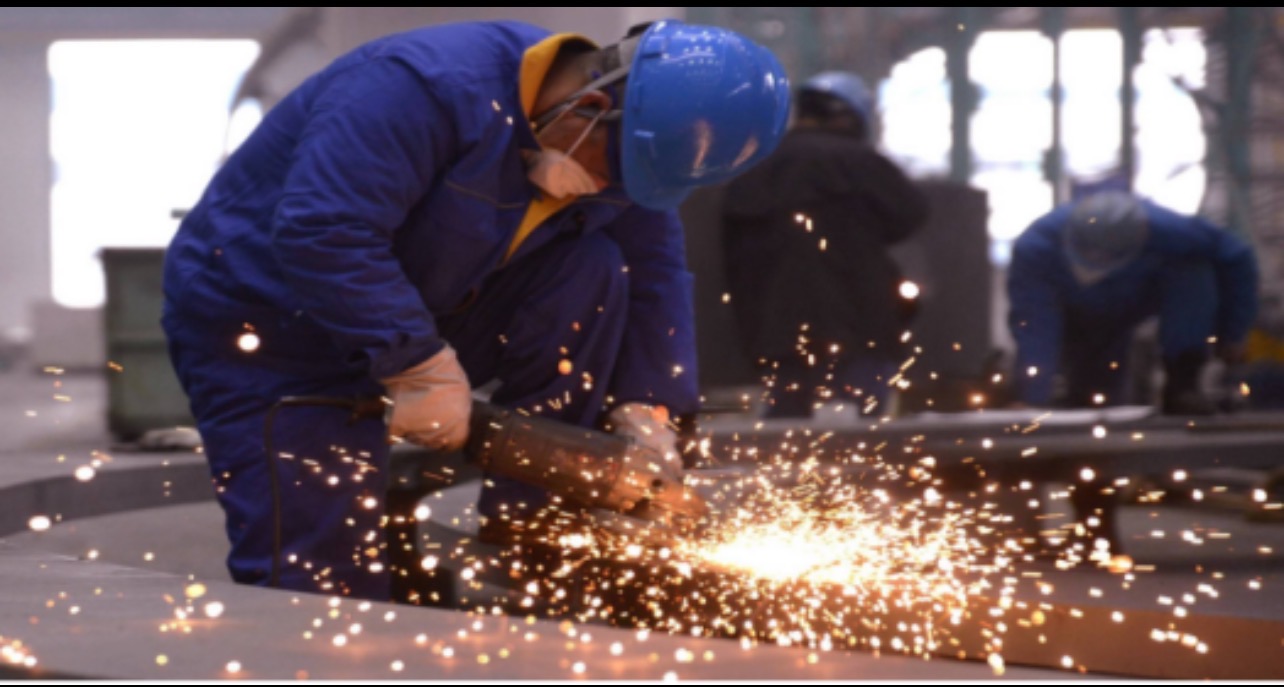
Qintellim Deburring Machine: Solving Manual Grinding Challenges1. Pain Points of Manual Grinding
Low Efficiency: Manual grinding is slow and struggles to meet mass production demands.
High Costs: Labor expenses rise annually, and skilled operators with technical experience are required.
Poor Consistency: Manual operations cannot guarantee uniform grinding results across all workpieces.
Safety Hazards: Dust and flying debris generated during grinding pose health risks to workers.
2. Advantages of Qintellim Deburring Machines
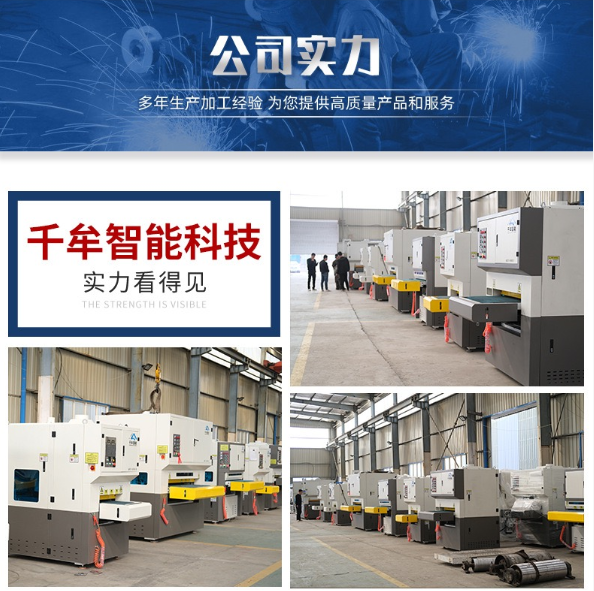
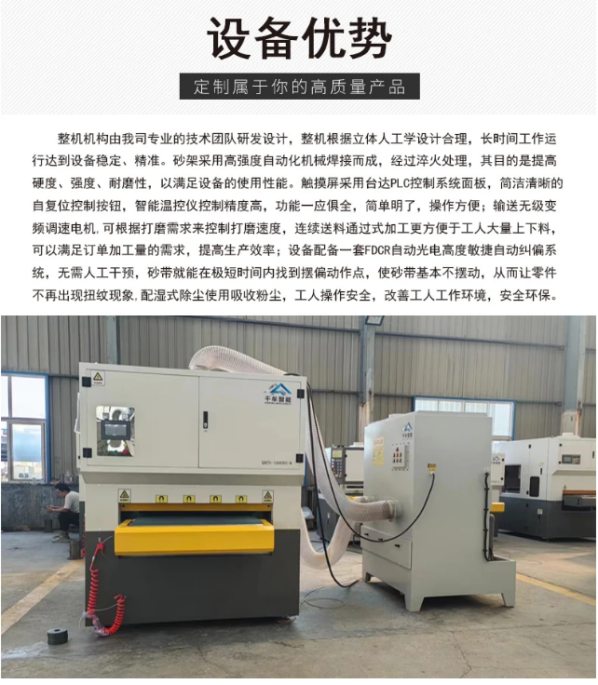
High-Efficiency Automation: Featuring automated design, Qintellim deburring machines enable continuous operation, significantly boosting production efficiency.
High Consistency: Precise control ensures uniform grinding results for every workpiece.
Cost Savings: Reduced reliance on manual labor lowers long-term production costs.
Safety and Environmental Protection: Equipped with dust extraction systems to minimize dust pollution and safeguard worker health.
 Core consumables for deburring machines:
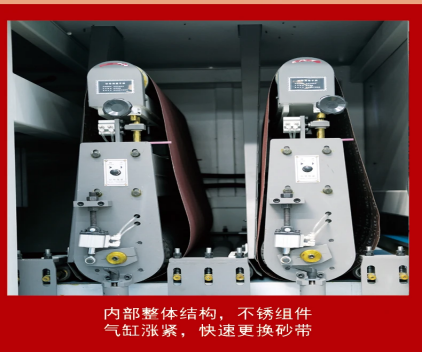
sanding belts and wire wheelsThe core consumables for Qintellim Deburring Machines primarily include sand belts and multi-wire wheels, each with distinct characteristics suited for different processing requirements. Below we provide a detailed analysis of each. Sand Belts: The Essential Tool for Deburring, Oxidation Removal, and Slag Removal Sand belts are among the most commonly used consumables in Qianmu Intelligent deburring machines, primarily employed to remove burrs, oxidation, and slag from workpiece surfaces. Selection of sand belts primarily depends on material composition and grit size.
(1) Abrasive Belt Materials
Silicon Carbide Belts: Suitable for high-hardness materials like carbon steel and stainless steel, delivering excellent deburring results.
Aluminum Oxide Belts: Ideal for softer materials such as aluminum and copper components, providing a fine grinding finish.
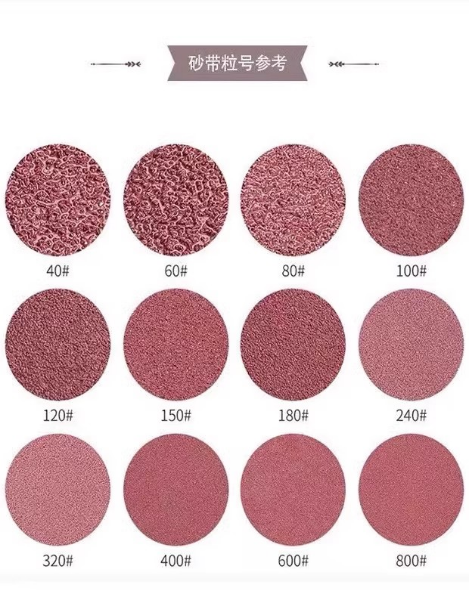
(2) Abrasive Belt Grit Size
Grit size refers to the coarseness of abrasive particles. Higher grit numbers indicate finer particles and a more precise grinding effect. Common grit ranges from 40 to 800, with specific applications as follows: 40-80 grit: Used for coarse grinding to rapidly remove large burrs and scale. 120-240 grit: Used for medium grinding to remove smaller burrs and perform initial polishing. 320-600 grit: Used for fine grinding to achieve a smoother surface. 800+ grit: Used for ultra-fine grinding, suitable for high-precision polishing requirements.
(3) Application Scenarios of Sanding Belts
Removing burrs and slag from the cut edges of laser-cut workpieces.
Removing burrs and scale generated during the stamping process on stamped workpieces, as well as trimming edges and removing burrs from sheared sheet metal workpieces.
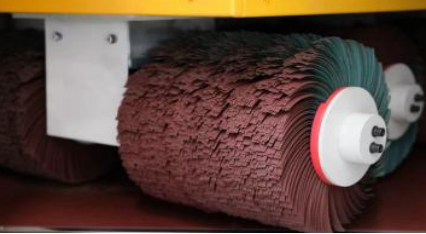
 Thousand-Thread Wheel: The All-Rounder for Rounding Workpiece Surface Profiles
The wire wheel is another core consumable for deburring machines, primarily used for deburring internal and external contours and precision rounding. As it employs flexible processing, it does not damage the surface or film coating of workpiece metal parts that have undergone polishing, roller brushing, or coating.
(1) Wire Wheel Materials Silicon carbide wire: Suitable for high-hardness materials like stainless steel and carbon steel, delivering strong deburring performance. Ceramic wire: Offers excellent overall performance, suitable for various materials with high durability.
(2) Wire Wheel Grit Size Grit size significantly impacts grinding results—higher grit produces finer finishes. Common grit ranges from 60 to 320, with specific applications as follows: 60-120 grit: Used for coarse grinding, rapid edge rounding, and deburring. 180-320 grit: Used for medium grinding to achieve smoother edges.
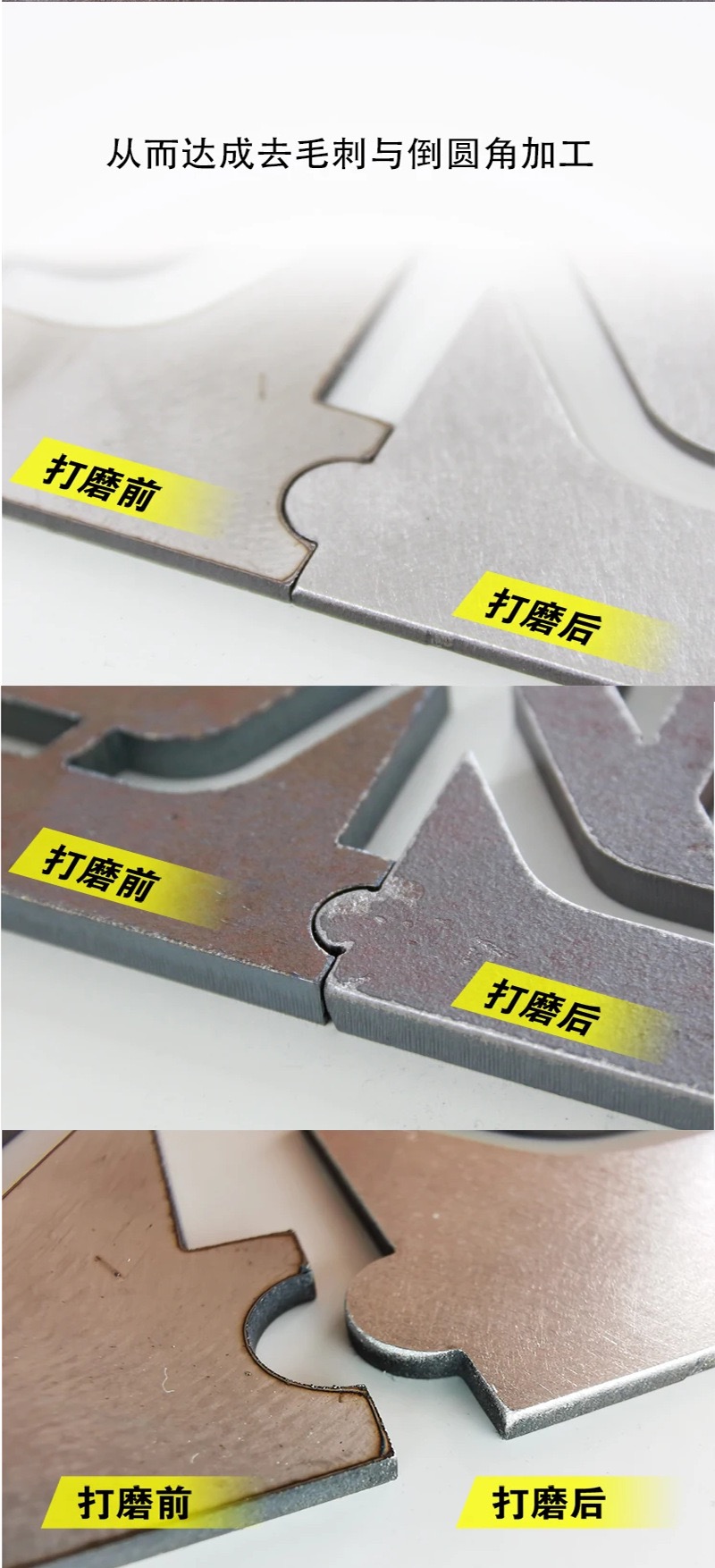
(3) Application Scenarios Edge Rounding: Used for processing rounded edges on workpieces, enhancing safety and aesthetics.
 How to choose the right consumables?
1. Material Selection
Carbon steel, stainless steel: Silicon carbide sanding belts or silicon carbide wire wheels are recommended.
Aluminum, copper parts: Aluminum oxide sanding belts or nylon wire wheels are recommended.
2. Processing Requirement Selection
Deburring, oxide scale removal: Select 40-240 grit sanding belts.
Chamfering: Select 60-320 grit wire wheels.
3. Select based on equipment model Different models of Qintellim deburring machines have specific requirements for consumable dimensions and specifications. It is recommended to select based on the equipment manual or consult the manufacturer.
 Qintellim Deburring Machine Consumable Replacement and Maintenance
1. Consumable Replacement Frequency The replacement cycle for consumables typically ranges from 5-7 days to several months, depending on the material, quality, mesh size, usage frequency, and grinding effectiveness. Regularly inspect the condition of consumables and replace them promptly based on actual usage to ensure optimal grinding results and production efficiency.
2. Consumable Maintenance Recommendations
Regularly clean dust and debris from the equipment interior to prevent compromising consumable lifespan. When storing consumables, avoid humid and high-temperature environments to prevent degradation.
Qintellim Deburring Machines stand out as the preferred choice for factory deburring operations due to their efficiency, precision, and safety. As core consumables, sand belts and multi-wire wheels directly impact the equipment's processing outcomes. By selecting consumables with appropriate materials and grit sizes, factories can further enhance production efficiency, reduce costs, and achieve high-quality deburring, chamfering, brushing, and polishing results. If manual grinding poses challenges, consider Qintellim Deburring Machines paired with suitable consumables—making your production more efficient and hassle-free!